
Paris 2026
EUPHE 2030:
Collaborative Actions
for Our Network
The EUPHE European Congress 2026 brings together institutional leaders, senior experts, and practitioners to address the most pressing developments shaping higher education in Europe.
Beyond discussion, the Congress is designed as a working meeting—where participants exchange perspectives, identify shared challenges, and explore concrete opportunities for collaboration.
With focused sessions on mobility, accreditation and the European Degree, EU funding, and future skills, the event offers both strategic insight and practical takeaways.
For those looking to stay aligned with policy developments while building meaningful international connections, Paris provides a timely and relevant platform.
Target audience:
Institutional leaders, senior professionals,
and experts involved in
- strategy,
- internationalization,
- EU engagement in higher education.
18 June
PSB Paris School of Business
16 Rue Claude Bernard
75005 Paris, France
Schedule
Welcome of participants and welcome coffee
Welcome addresses
The opening welcome addresses will set the tone for the congress and introduce the day’s focus on cooperation, internationalization, and the future role of private higher education in Europe.
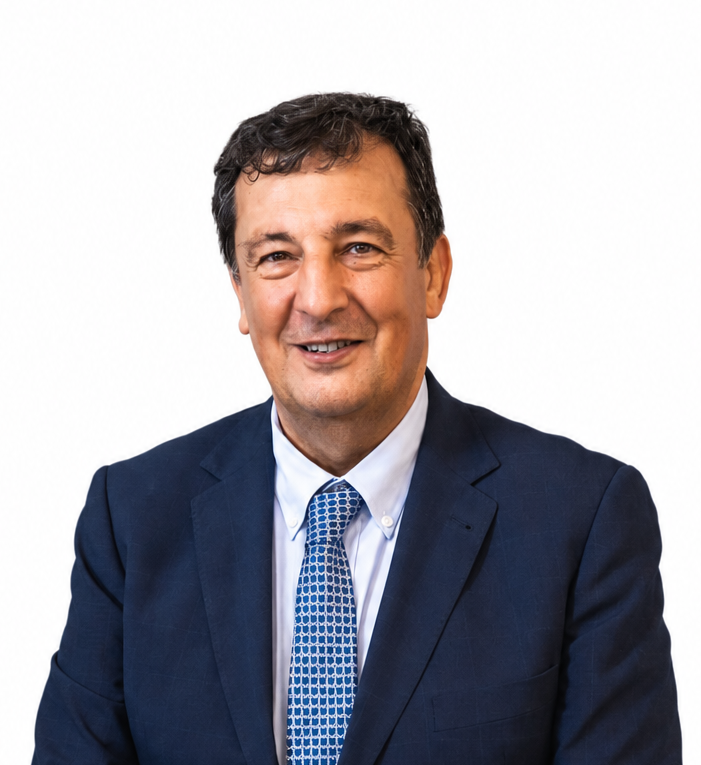
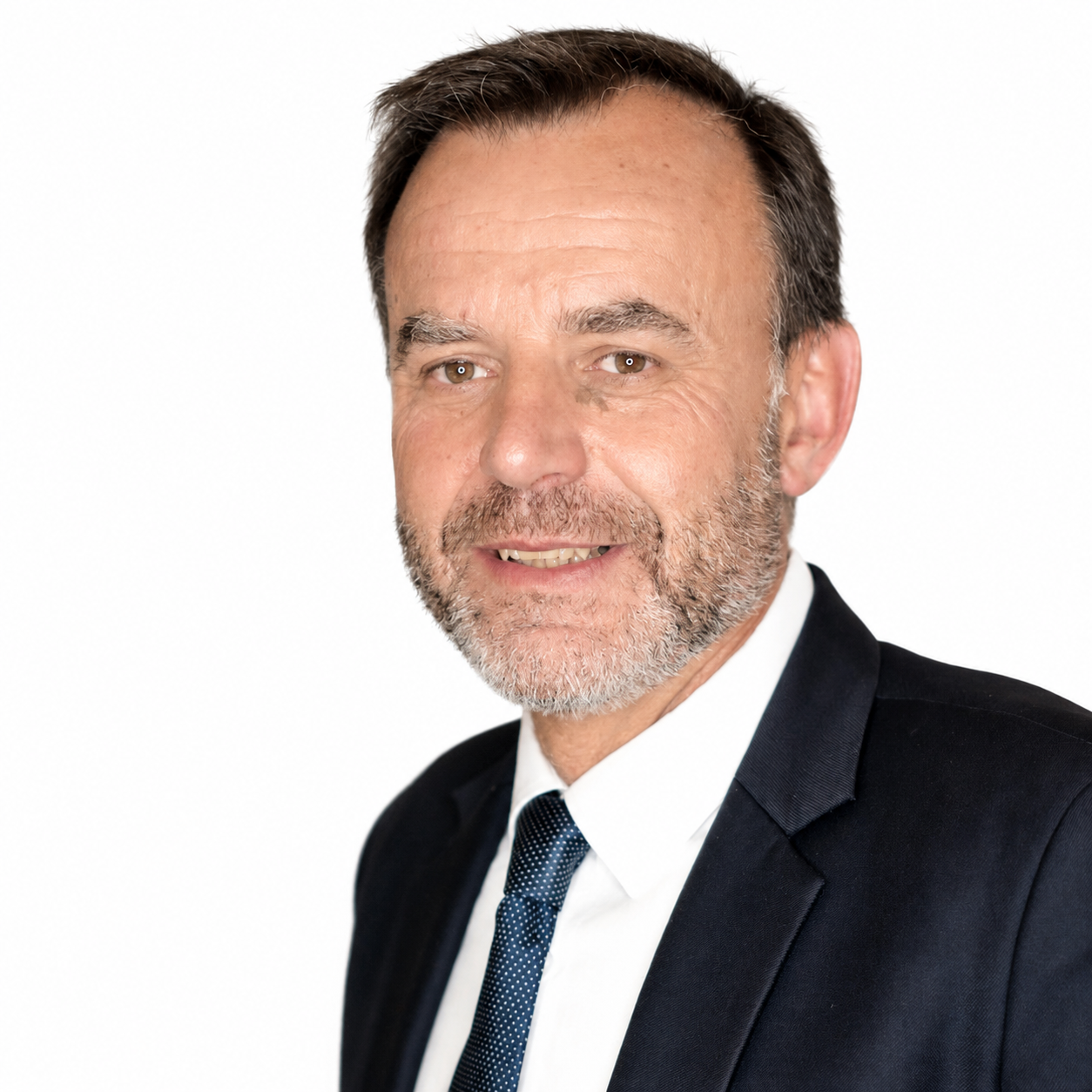
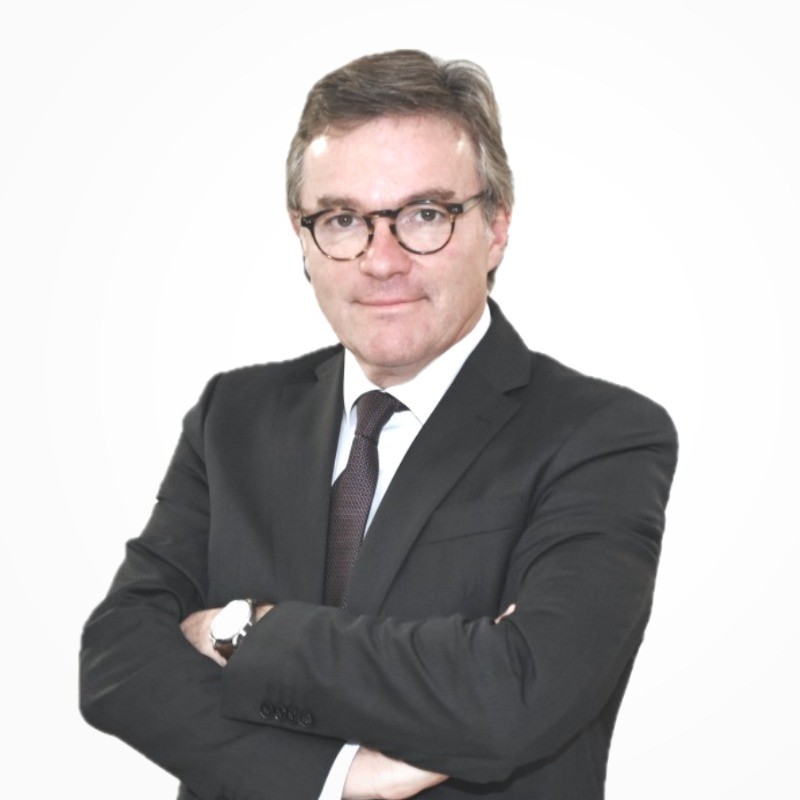
Opening Remarks by Olivier Ginez, Director General of Higher Education, France
Video intervention
Following the welcome addresses, Olivier Ginez, Director General of Higher Education, France, will address participants and offer an institutional perspective on higher education cooperation in the French and European context.
Marcelle LALIBERTE ; Higher Education Researcher, ESTP (France)

Cross-perspectives on European and international challenges in higher education
The congress will begin with three framing sessions that introduce the main themes of the day and prepare the ground for the roundtable discussions. These inputs will provide participants with a shared starting point on international mobility and attractiveness, accreditations and the European Degree, and Erasmus+ and European funding opportunities.
Together, the sessions will help connect the congress themes: mobility as a gateway to cooperation, accreditation and joint degrees as structures for trust and recognition, and European programs as practical instruments for building partnerships and developing future projects.


Coffee break
Round Table Focus ERASMUS+ and Experience Sharing
This roundtable will provide space for institutions to share practical experiences with Erasmus+ participation, including mobility projects, partnerships, administrative processes, and lessons learned. The discussion will focus on what has worked, what remains difficult, and how EUPHE members can learn from one another.
Why it matters: Erasmus+ is one of the most concrete tools for European cooperation, and peer exchange can help institutions move from occasional participation to more confident and systematic engagement.
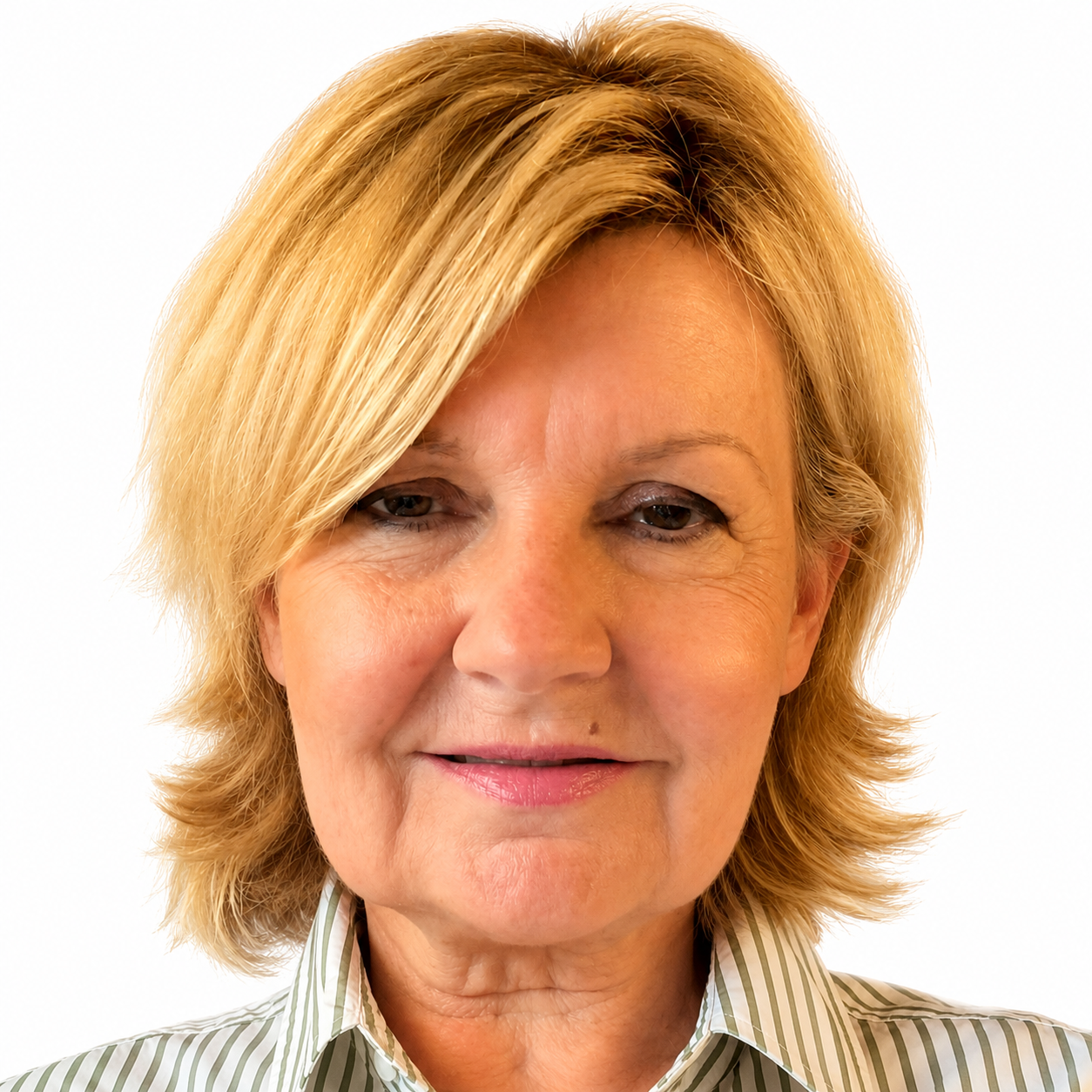
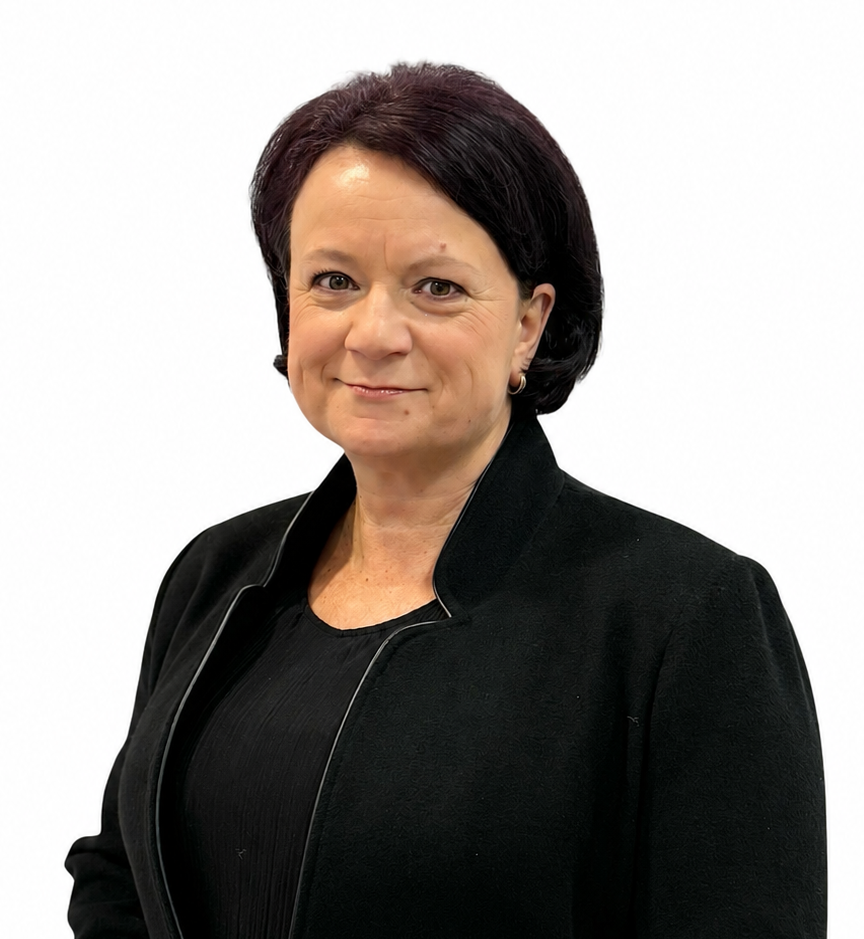
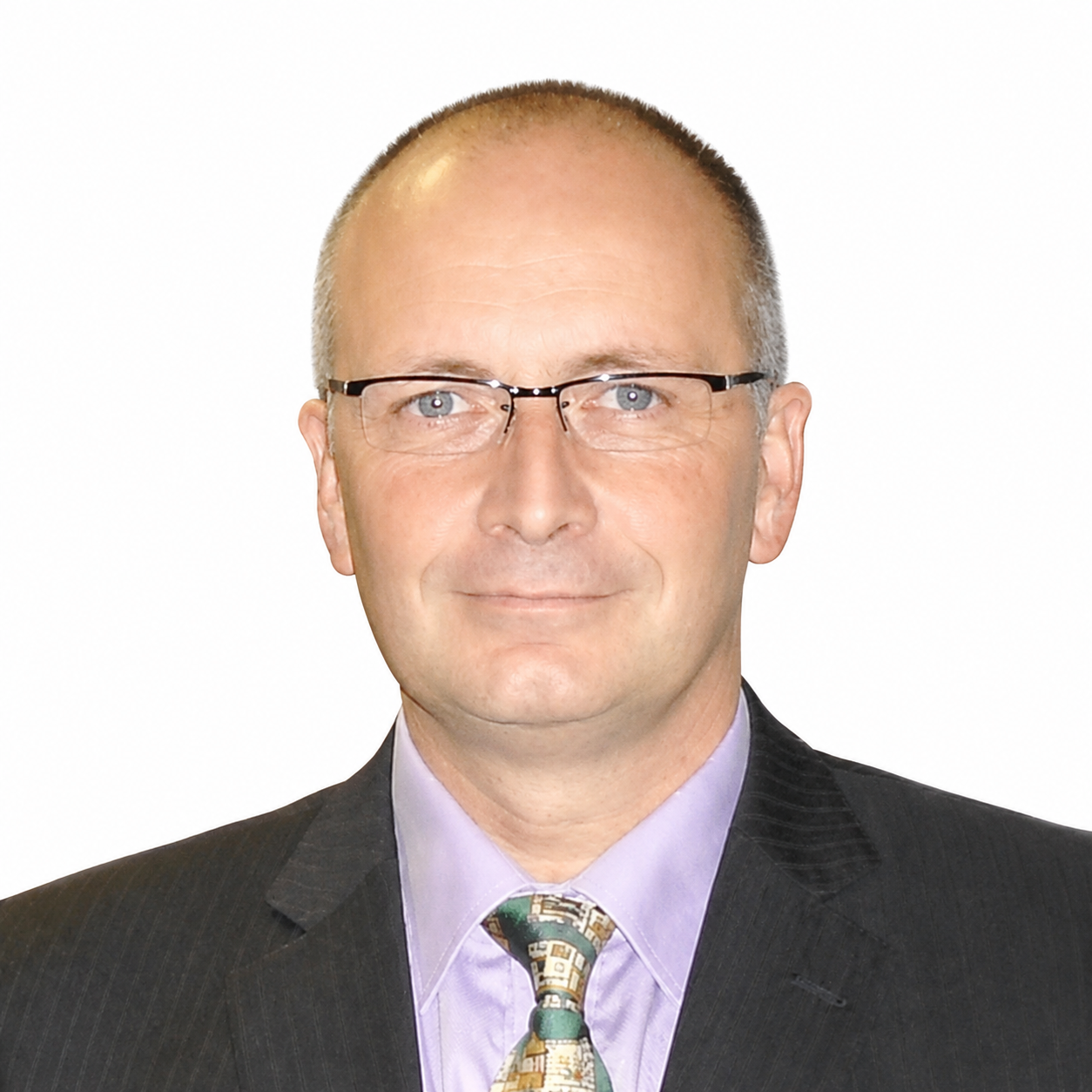
Session Chair: Lucas CHEVALIER
Sponsor Spotlight: Fuxam
Before the networking lunch, Fuxam will briefly introduce its all-in-one campus management system, designed to help higher education institutions manage academic, administrative, and community processes in one integrated platform.

Networking Lunch
International Mobility and Attractiveness
This roundtable will explore mobility as a driver of international cooperation, with student mobility as the main point of departure. The discussion will also address the importance of staff and researcher mobility in building international academic networks, strengthening institutional partnerships, and opening pathways toward future research collaboration.
The session will consider how mobility experiences can become more than isolated exchanges: they can serve as the first step toward deeper cooperation, including Erasmus+ projects, EU funding opportunities, and the development of joint or double degree programs.
Why it matters: Mobility is often the most concrete starting point for internationalization. When developed strategically, it can connect students, researchers, institutions, and long-term European cooperation.
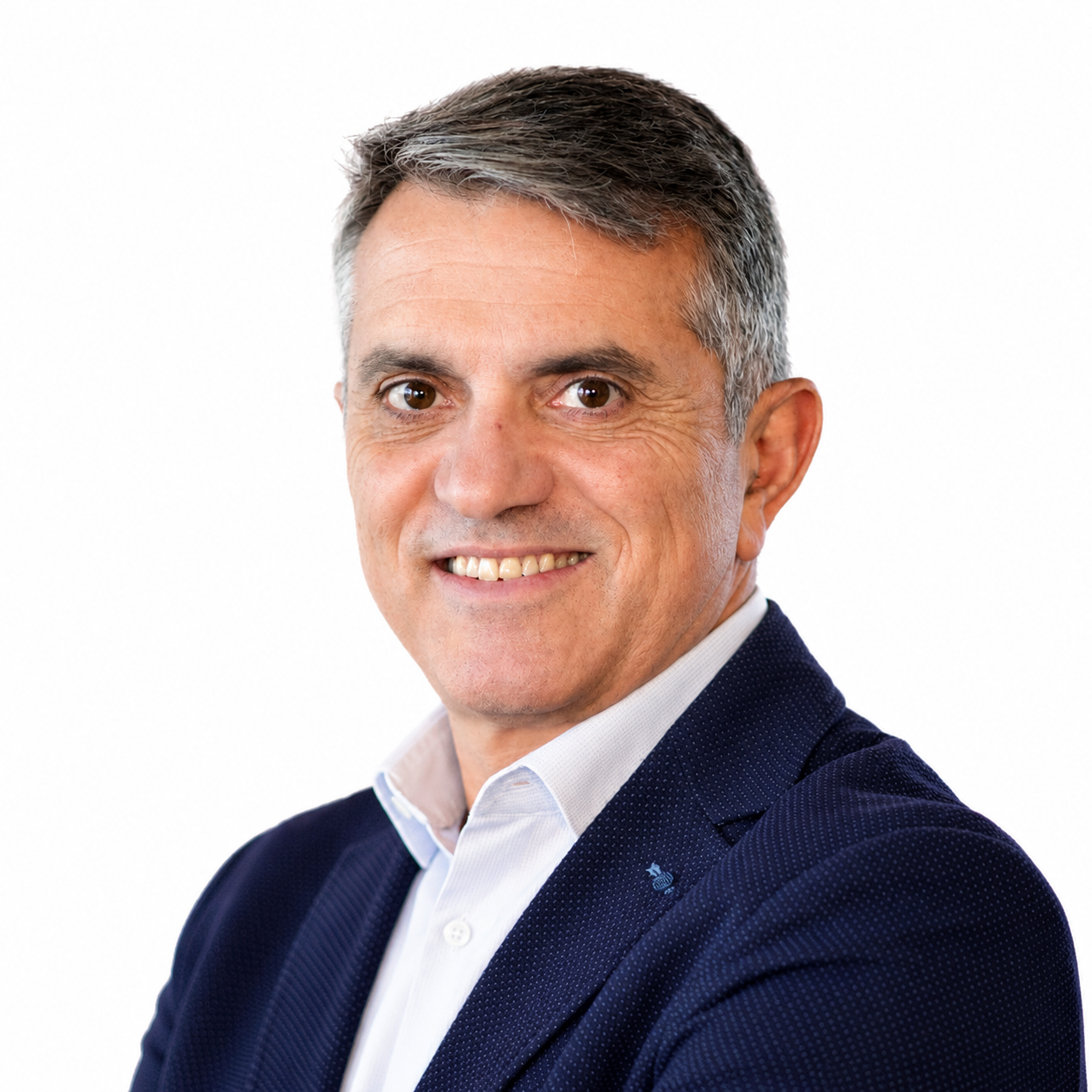
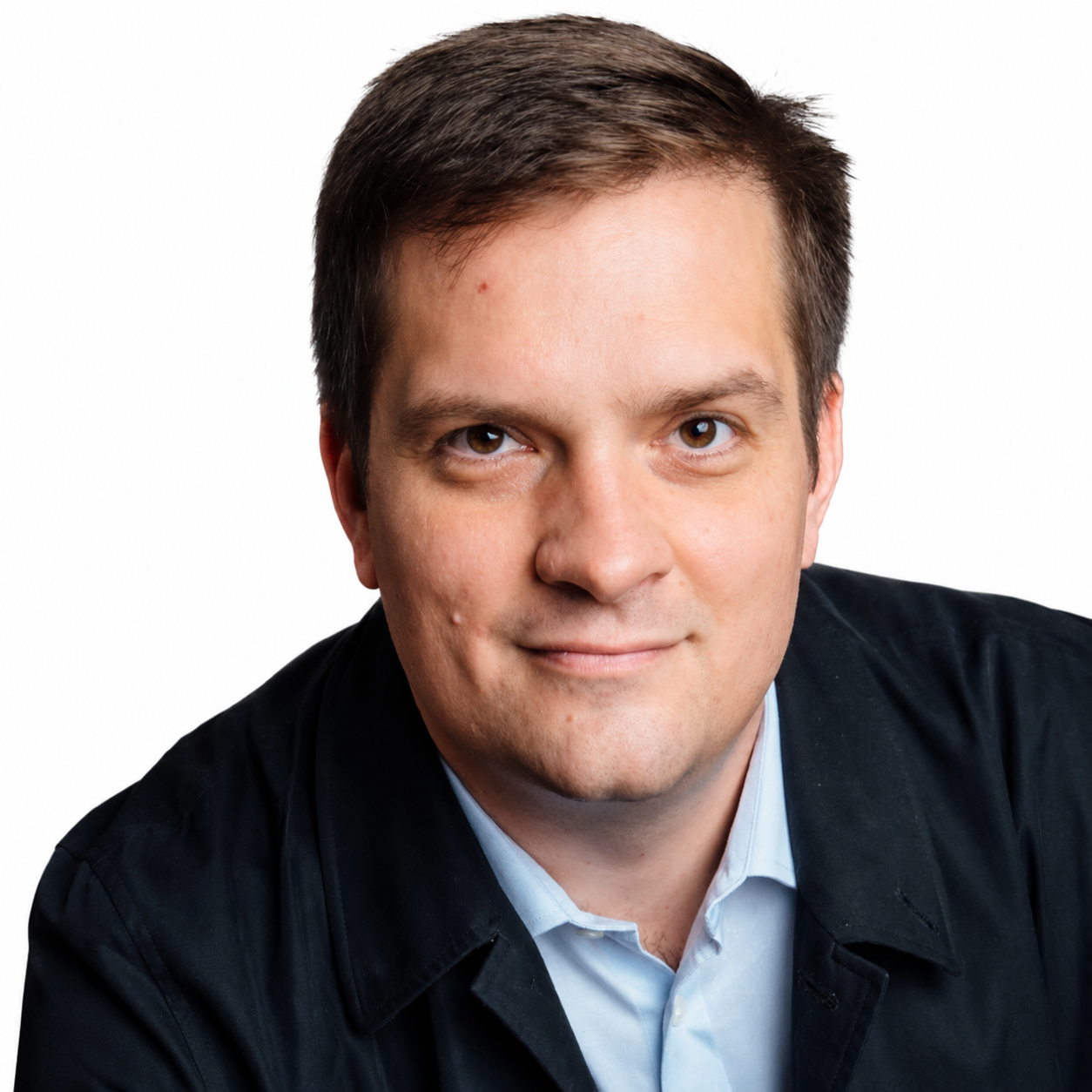
Session Chair: Laurent CHEBASSIER, Director of International Relations, aivancity, school of AI and data for Business & Society


Accreditations and European Degrees
This roundtable will discuss the role of accreditations, quality assurance, joint programs, and the emerging European Degree framework. Participants will reflect on how institutions can navigate accreditation requirements while developing more flexible and internationally recognized academic offers.
Why it matters: Quality assurance and cross-border recognition are becoming key conditions for trust, cooperation, and innovation in European higher education.
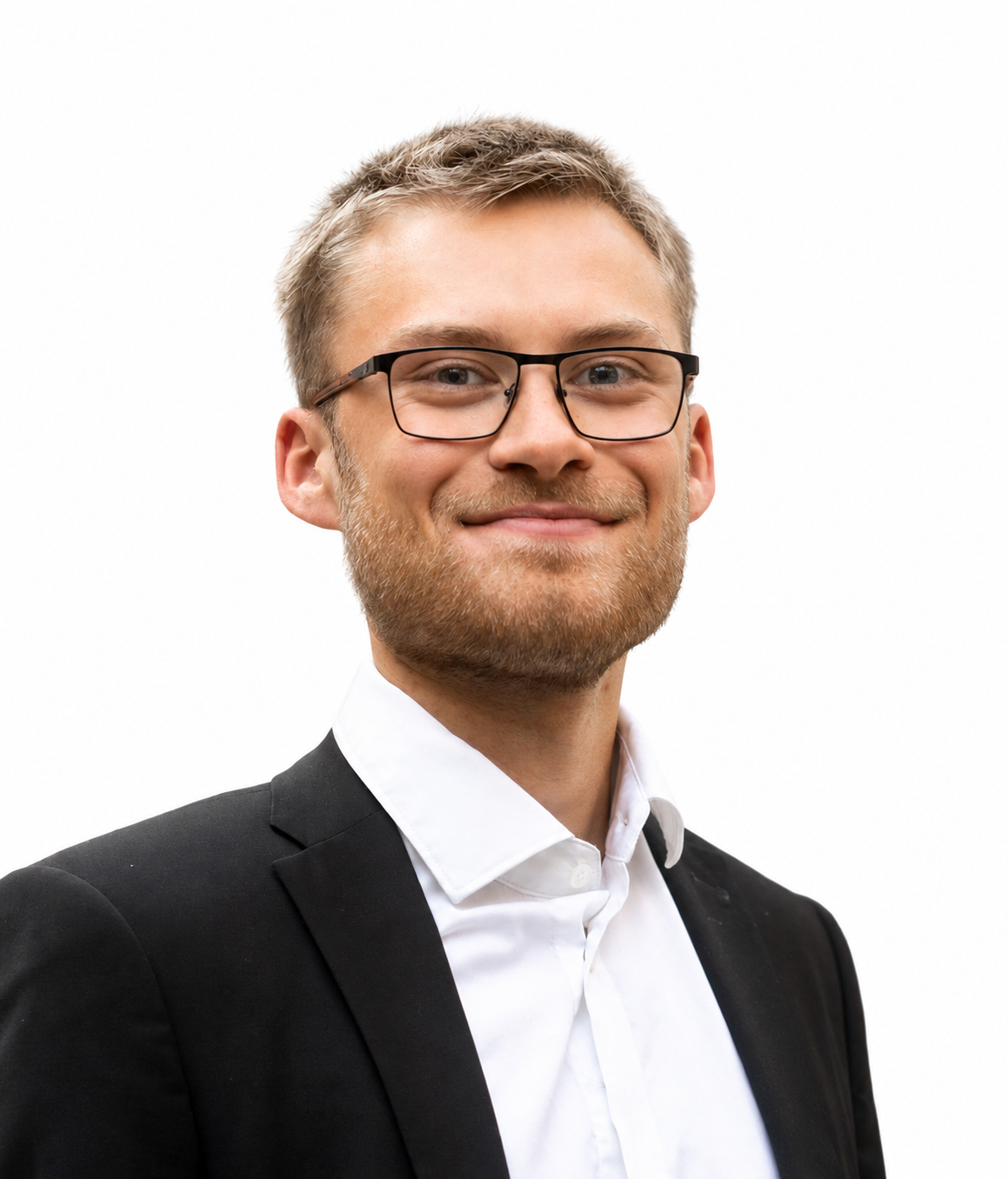
Session Chair: Jean-Michel NICOLLE, CEO EIGSI



Coffee break
Sponsor Spotlight: Eduniversal
Eduniversal will briefly present its work as an international ranking and rating agency specializing in higher education, with a particular focus on business schools, academic programs, and global institutional visibility.
Erasmus+- EU funding opportunities
This roundtable will focus on how private higher education institutions can better understand and access European funding opportunities. The discussion will address how institutions can identify relevant calls, build consortia, and connect project participation with their wider academic and institutional strategies.
Why it matters: EU funding can support internationalization, innovation, and institutional development, but many institutions still need clearer pathways into these opportunities.
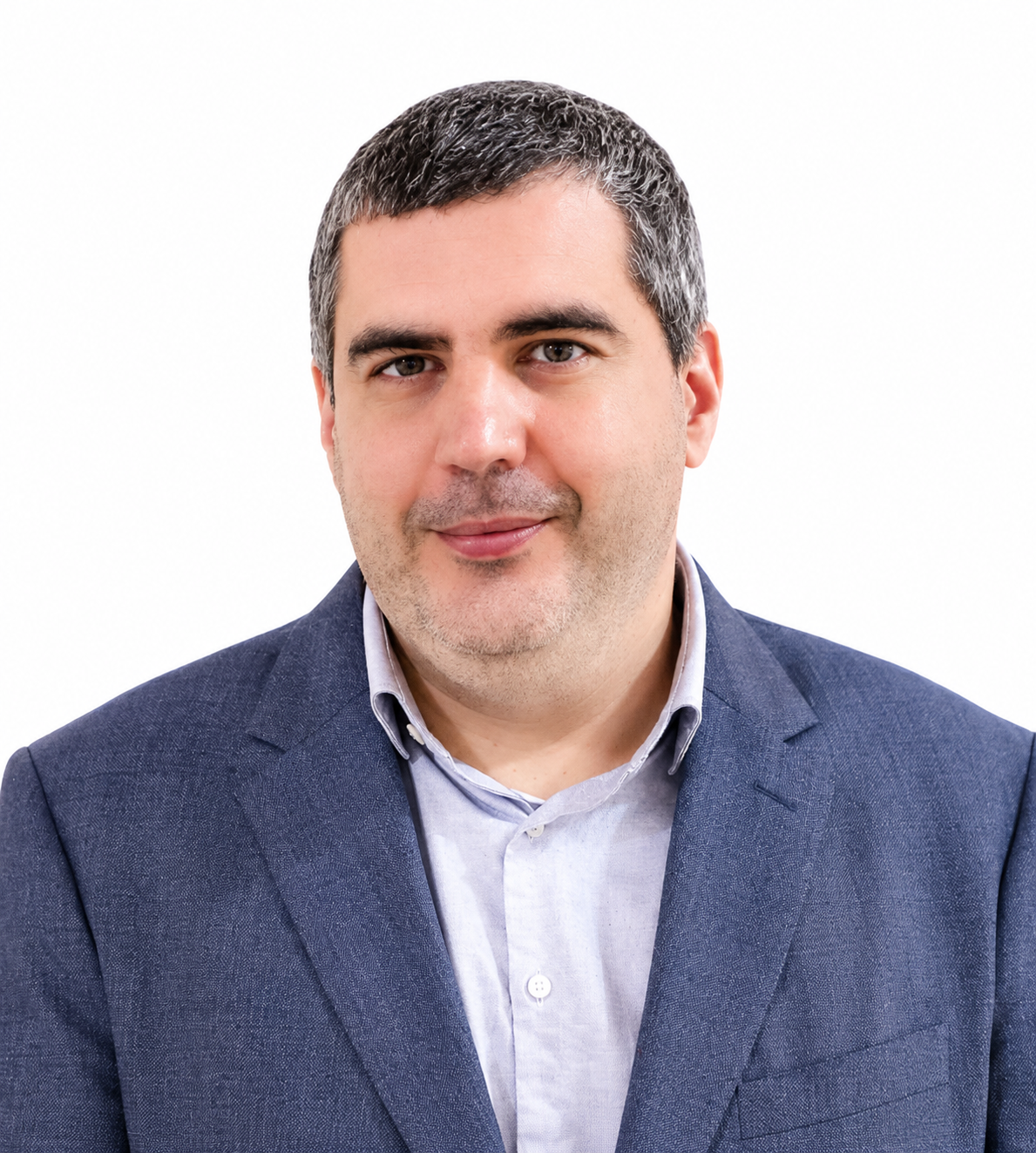
Session Chair: Dr. Tanja ANGLEITNER SAGADIN, Head of International Relations, Alma Mater Europaea University (Slovenia)



Presentation and synthesis of workshop outcomes
The closing session will bring together the main insights from the roundtables and translate them into possible areas of future cooperation. Three student key witnesses will share short reflections, offering a student perspective on the discussions.
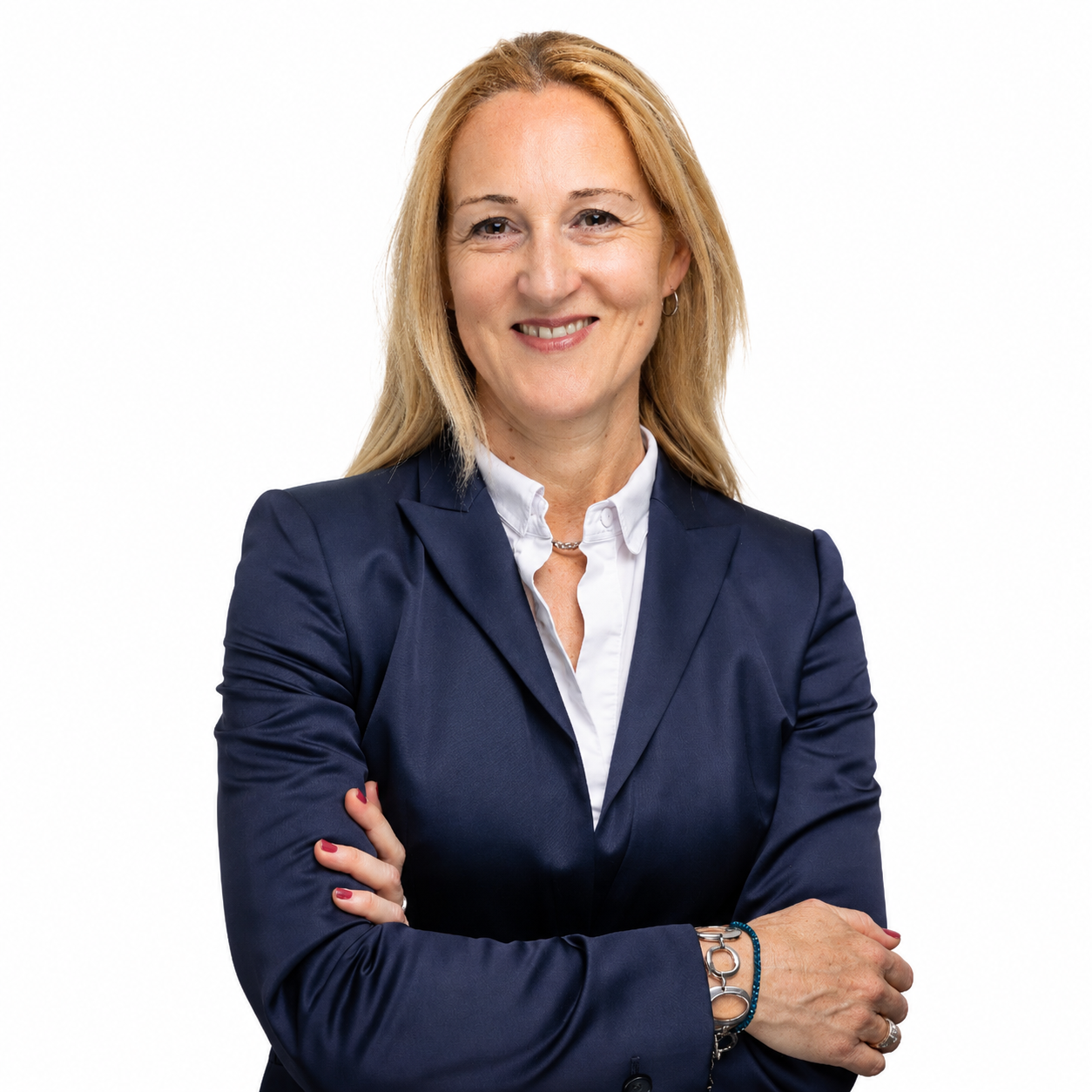
Patrick Brenner, Regional Development Administrator, EU development expert and international lecturer, will present a synthesis of the workshops, highlight three key areas of cooperation, and introduce the future EUPHE 2030 Working Groups. Participants will be able to sign up for the working groups during the closing cocktail.
The congress will be formally closed by Dominique Baillargeat, CEO of 3iL Ingénieurs, France.